

Living with acne-prone skin can be a journey filled with frustration, but achieving a clear and radiant complexion is possible through a balanced, holistic approach. In the professional world of aesthetics, we understand that breakouts are often a signal from your body about internal inflammation or environmental stress. In Florida’s high-humidity climate, those with acne-prone skin face unique challenges: sweat and atmospheric pollutants can easily become trapped in open pores, leading to chronic congestion. By adopting these 7 natural skincare tips for acne-prone skin, you can support your body’s natural healing processes and maintain long-term clarity without relying on harsh, stripping chemicals.
Before implementing any new routine, it is essential to remember that skin health is a reflection of overall wellness. While genetics and hormones play a significant role, your daily habits for clear glowing skin are the foundation upon which all professional treatments are built. Let’s explore how to naturally calm inflammation and prevent future breakouts in the Sunshine State, where heat and humidity demand a more strategic approach to skin purity.
1. Strategic Cleansing: The Double Cleanse Habit
One of the most essential steps in preventing acne is keeping your skin clean without compromising its delicate acid mantle. When your skin is not properly cleansed, a mixture of oxidized sebum, makeup, and SPF creates a “plug” in the pore. In Florida, we highly recommend the double cleansing method in the evening. Start with a gentle oil-based cleanser (like jojoba) to dissolve water-resistant sunscreens and excess sebum, followed by a water-based, pH-balanced cleanser specifically designed for acne-prone skin. This ensures that the follicle is truly empty before you apply your treatment serums.

Washing your face twice daily once in the morning and once before bed is mandatory. However, if you are dealing with deep-seated congestion that home washing cannot reach, a professional facial deep cleansing is an excellent way to reset your skin. This treatment ensures that all impurities are manually and safely removed, preventing them from evolving into painful cystic acne. By clearing the “biological debris,” you allow your skin to breathe and regenerate more effectively.
2. Exfoliate Regularly but Gently
Regular exfoliation is necessary to remove dead skin cells that would otherwise clog your pores. However, for acne-prone skin, “more” is not always “better.” Excessive scrubbing with harsh physical particles can cause micro-tears, spreading bacteria and increasing inflammation. Instead, look for gentle chemical exfoliants like salicylic acid (a BHA), which can penetrate deep into the pores to dissolve excess oil. This process, known as chemical desquamation, is much safer for inflamed skin than traditional walnut or apricot scrubs.
If your skin feels dull and rough, microdermabrasion can be a highly effective mechanical reset. It gently resurfaces the skin and helps fade the post-inflammatory hyperpigmentation (acne scars) that often lingers after a breakout. Just ensure you are not undergoing this treatment during an active, inflamed flare-up to avoid irritation. Microdermabrasion also boosts peripheral blood flow, which is vital for the delivery of nutrients to the healing tissue.
3. Hydration vs. Oil: The Moisturizing Paradox
Moisturizing is crucial, even and especially if you have oily, acne-prone skin. When your skin is dehydrated (lacking water), it often overcompensates by producing more oil (sebum), which paradoxically leads to more breakouts. The key is to use a lightweight, non-comedogenic moisturizer that strengthens the skin barrier without clogging pores. Look for ingredients like hyaluronic acid, which acts as a humectant, and ceramides, which repair the lipid barrier.
In Florida, the air conditioning can significantly dry out your skin’s surface while the humidity remains high outside. If you are struggling with this balance, refer to our 7 skin care tips for dry skin to learn how to keep your barrier intact without triggering oiliness. Understanding how to identify your skin type correctly is the first step in choosing the right moisture balance. A healthy barrier is your primary defense against the P. acnes bacteria that causes localized infections.
4. Utilize the Power of Tea Tree Oil and Nature’s Antibiotics
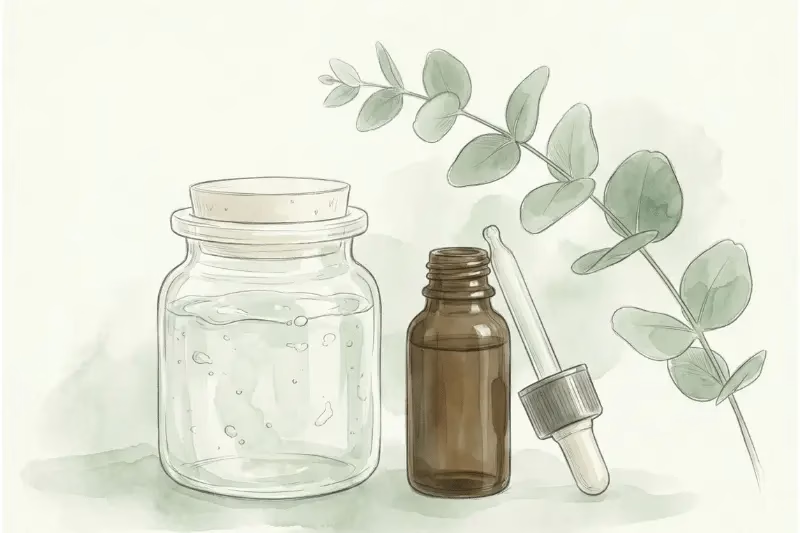
Tea tree oil is a potent natural ingredient with documented antibacterial and anti-inflammatory properties. It is an excellent alternative to harsh benzoyl peroxide treatments, which can bleach towels and irritate sensitive skin. Tea tree oil works by killing acne-causing bacteria and reducing the redness associated with active spots. However, purity matters. Always use medical-grade essential oils and mix a few drops with a carrier oil like jojoba or argan oil, which closely mimics human sebum and won’t clog pores. Applying it as a spot treatment helps target the infection without drying out the surrounding healthy tissue.
To further support your skin’s defense, consider the benefits of green tea for your skin. Whether applied topically or consumed as a drink, green tea’s polyphenols help reduce sebum production and calm the systemic inflammation that fuels chronic acne cycles. It is one of nature’s most effective ways to inhibit the enzymes that cause excess oiliness.
5. Apply Aloe Vera Gel for Biological Healing
Aloe vera gel is another natural ingredient that can help soothe and heal acne-prone skin. It has anti-inflammatory and antimicrobial properties that can help reduce redness and inflammation and prevent acne breakouts. Unlike many synthetic creams, aloe vera provides oil-free hydration, making it ideal for the Florida climate. Apply a thin layer of pure aloe vera gel to your skin after cleansing and before moisturizing to create a protective, healing film. For those seeking professional-grade botanical infusions, our Signature Facials utilize high-potency extracts to deeply repair damaged tissue.
6. The Gut-Skin Connection: Eat a Healthy Diet
What you eat can affect your skin’s health. A diet high in processed foods, sugar, and dairy can cause insulin spikes that contribute to acne breakouts. Instead, focus on eating a balanced diet rich in whole foods, fruits, and vegetables. Foods that are high in antioxidants, like blueberries, spinach, and dark chocolate, can help promote healthy skin from the inside out. In a state where we spend so much time outdoors, internal protection through nutrition is paramount. To further assist your body in clearing out internal toxins, consider a sauna and lymphatic body wrap. This systemic detoxification helps reduce the overall inflammatory load on your body, often clearing skin “from the ground up.”
7. Manage Your Stress for Hormonal Balance
Stress can cause hormonal imbalances, specifically an increase in cortisol, that can lead to acne breakouts. Practice stress-management techniques like meditation, yoga, or deep breathing to help reduce stress levels. Exercise is also an excellent way to manage stress and improve overall skin health through increased circulation. Many of our clients find that the relaxation experienced during a professional treatment is just as beneficial for their skin as the products used. If you’re looking for the right treatment to de-stress while healing your skin, our facial guide can help you choose the perfect match.
Advanced Skin Recovery and Texture Restoration
For individuals who have successfully cleared their active acne but are left with structural changes like scarring or loss of elasticity, advanced aesthetics can help. Ultrasound skin tightening and HIFU treatments are effective at stimulating new collagen growth in the deeper layers of the dermis. This helps “fill in” pitted scars and firm the skin’s surface. If you are considering these paths, understanding the HIFU aftercare and suitability is crucial for ensuring the best possible outcome for your unique skin profile.

Conclusion: Your Journey to Radiant Skin
In conclusion, achieving clear and beautiful skin requires a holistic approach that includes a healthy lifestyle and natural skincare tips. At Ruta Naturals Spa Studio, we believe that natural skincare is the best way to care for your skin and achieve a radiant complexion. By following our top 7 natural skincare tips for acne-prone skin, you can achieve a healthy, glowing, and blemish-free complexion. Whether you are battling the intense Florida humidity or systemic inflammation, these steps will provide the foundation for your most confident skin yet. Your journey to radiance is a commitment, and we are honored to be your partners in holistic beauty.